Qatar Sets 2031 Deadline for Independent Defense Capability
The nation will build a five-year strategy to protect critical infrastructure and reduce reliance on US military support.
By Kevin Brooks ·
Qatar will spend the next five years building a military capability that allows it to protect itself without waiting for outside help. The country aims to achieve defense autonomy by 2031. This shift means Qatar can defend its territory and vital interests even if the United States provides only limited assistance or if Gulf allies hesitate to act.
The strategy rests on six pillars. These include air and missile defense, early warning systems, protection of critical infrastructure, air and naval power, cybersecurity, and diversified security guarantees. Qatar does not intend to build an army large enough to defeat a major regional power in a standalone war. Instead, it seeks the ability to detect threats, absorb initial strikes, and keep essential services running during a prolonged crisis.
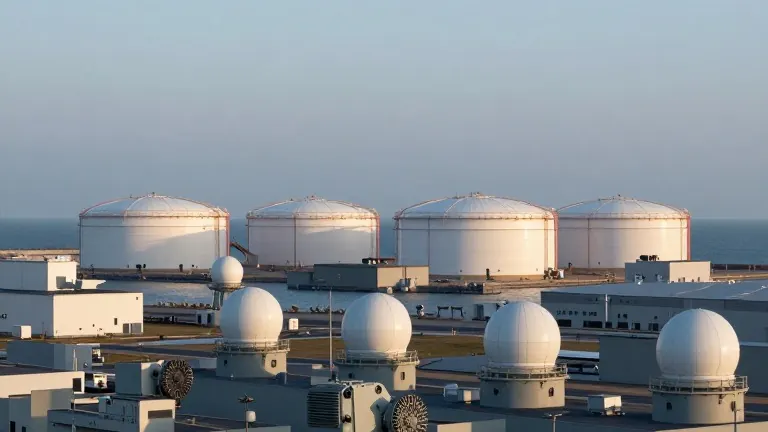
The most urgent gap is an integrated air defense shield. Qatar currently has advanced fighter aircraft and air defense systems, but they are not fully unified. The plan calls for a multilayered radar network that combines civilian and military sensors. It also requires a unified national command and control center. By 2031, the system must function independently of US forces. This includes expanding counter-drone capabilities and maintaining large stockpiles of ammunition and spare parts.
Maritime security is a second priority. Qatar is a peninsula surrounded by water on three sides. Its economy depends on the safe flow of liquefied natural gas and oil exports. The goal is not to build a massive fleet, but to make attacks on maritime infrastructure difficult and costly. The navy will improve surveillance of offshore installations and develop capabilities to counter maritime drones. It will also enhance the protection of ports and shipping routes.
A national resilience program will protect the country's physical backbone. This includes gas and energy facilities, water desalination plants, power stations, telecommunications towers, airports, and hospitals. The strategy requires every sector to have backup capacity. If a major desalination plant stops operating, an alternative source must exist to prevent a water crisis from becoming a national emergency. This ensures that political and economic activities can continue even if key infrastructure is attacked.
Qatar will also build its own intelligence gathering capabilities. It plans to use space-based reconnaissance, unmanned aerial vehicles, radar, and electronic intelligence. The aim is to identify threats before they reach Qatari territory without relying solely on data from the US, France, or the United Kingdom. This allows Doha to assess risks and prepare responses independently before requesting assistance from partners.
The plan encourages diversifying security guarantees. While cooperation with the US will continue, Qatar seeks partnerships with other powers to reduce the risks of dependence on a single ally. Potential partners include South Korea, Turkiye, European nations, Pakistan, and China. This approach is designed to make Gulf security a matter of broader international interest without breaking existing alliances with Washington.
Source: Al Jazeera