Israelis Vote in Tense National Election
Over seven million eligible voters decide the country's leadership amid ongoing regional conflicts and deep political division.
By Elena Rojas ·
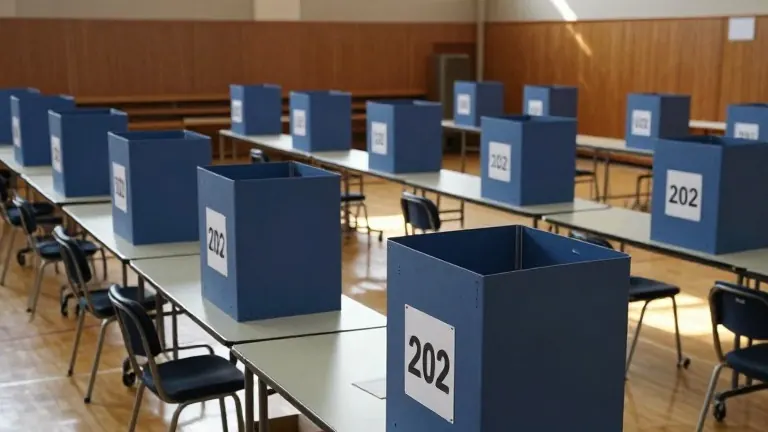
Israelis cast ballots in a national election on Tuesday, a decisive moment for a country still managing active wars and internal political fractures.
More than 7 million people are eligible to participate in the vote. The process determines the composition of the Knesset, where no single party has ever secured an outright majority on its own.
Prime Minister Benjamin Netanyahu faces a field of opponents who aim to remove him from power after a lengthy tenure. Polls indicate a tight contest between Netanyahu and his leading challenger, former military chief Gadi Eisenkot.
The fragmented nature of Israeli parliamentary politics means that individual parties must form coalitions to govern. Neither Netanyahu's coalition of religious and ultranationalist parties nor the bloc seeking to replace him currently holds enough support to guarantee a majority.
If neither side secures immediate control, the country may face weeks of negotiations before a new leader is named. Arab-led parties are pushing for high turnout and could become key decision-makers if they agree to back a specific candidate and other parties are willing to partner with them.
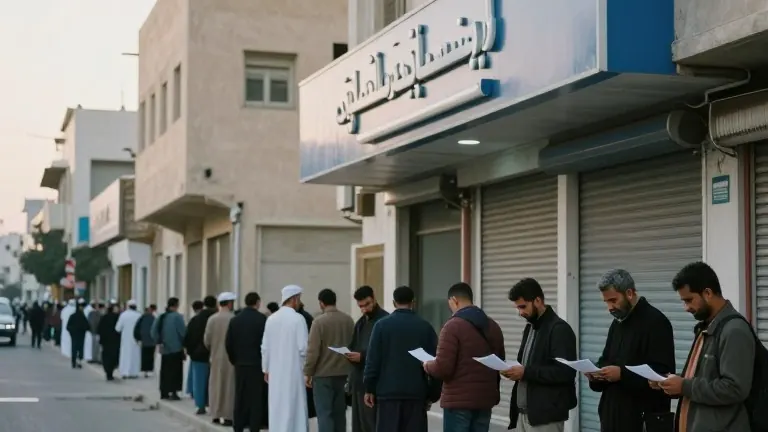
Tensions were visible at polling stations as the day began. In Kiryat Shmona, a stronghold for Netanyahu located near the border with Lebanon, a man tore down a poster of Eisenkot and kicked the remnants to the ground.
The election follows the first national vote since the October 7, 2023, attack that triggered the war in Gaza and related regional conflicts. In Tel Aviv, families of those killed on that day or former hostages observed a moment of silence before polls opened.
Yona Adam, whose daughter Mapal Adam was killed on October 7, urged voters to remember those who lost their lives. "Remember all those whose voices are no more," Adam said.
Approximately 330,000 young Israelis are voting for the first time. Many of them face compulsory military service while the shadow of the ongoing war looms over their future.
Netanyahu intensified his rhetoric against Iran ahead of the vote. In a video released this week, he stood beside a missile-defense battery and warned Tehran that Israel would deliver a devastating blow if it attacked.
Supporters of Netanyahu view him as a steady leader who has guided Israel through multiple wars. They believe he is protecting the country's Jewish identity and curbing what they consider an interventionist judiciary.
Critics argue that Netanyahu is a polarizing figure who prolonged the Gaza war and the hostage crisis for political gain. They accuse him of undermining the independent judiciary and weakening democratic foundations while allowing ultra-Orthodox religious Jews to avoid military enlistment in his ongoing corruption trial context remains a point of contention for his detractors, who say he is beset by the case. His opponents claim he abets a system that exempts certain religious groups from service. They point to his trial as evidence of his polarizing nature, arguing he dragged on the conflict for political reasons. They say he is undermining Israel's independent judiciary and weakening its democratic underpinnings. And they accuse him of abetting a system that has allowed ultra-Orthodox religious Jews to avoid enlistment in Israel's compulsory military.
Source: ClickOnDetroit WDIV · original report published